
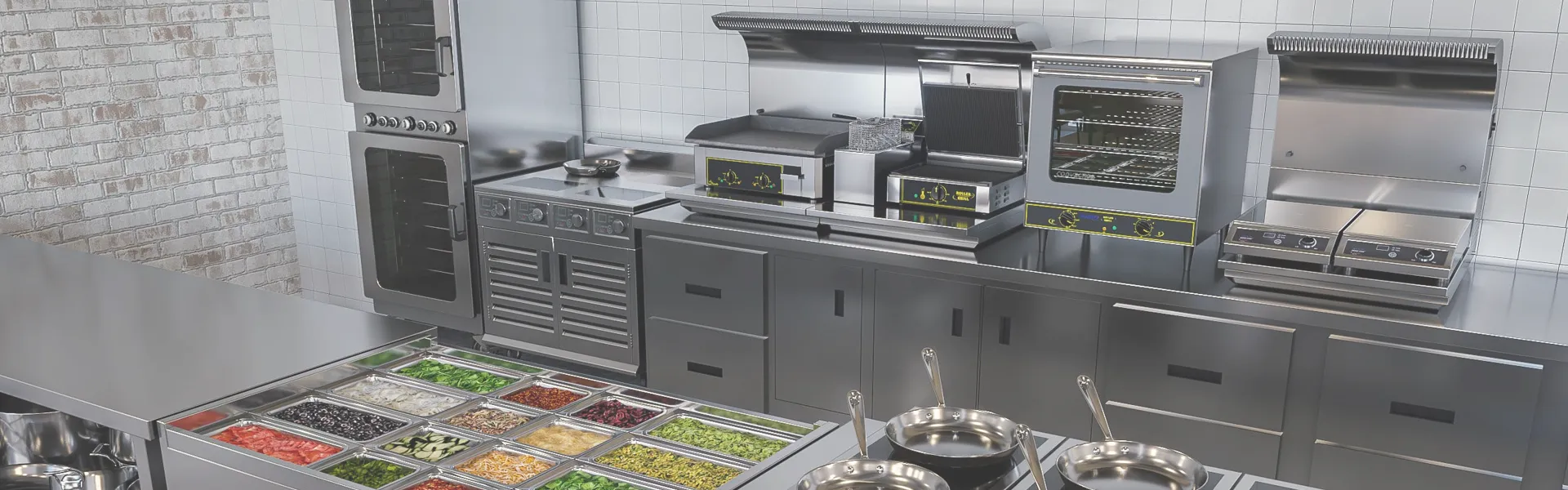
How Is a Dough Sheeter Used in Commercial Baking Operations?
Article Abstract
A dough sheeter is a critical piece of equipment in modern commercial baking and food processing environments, designed to laminate, flatten, and standardize dough thickness with high precision. This article provides a comprehensive, search-optimized analysis of how dough sheeters are used in professional operations, focusing on working principles, technical parameters, operational scenarios, and industry adoption trends.
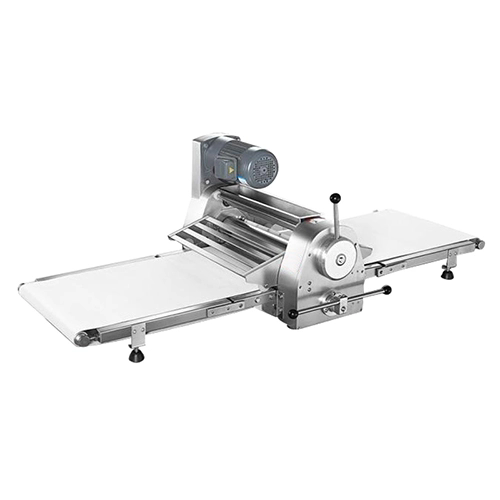
Table of Contents
- How Does a Dough Sheeter Work in Industrial and Bakery Settings?
- How Are Dough Sheeter Specifications Defined for Professional Use?
- How Can Dough Sheeters Improve Consistency and Production Efficiency?
- How Is the Dough Sheeter Market Evolving in the Global Baking Industry?
- Dough Sheeter Common Questions and Answers
How Does a Dough Sheeter Work in Industrial and Bakery Settings?
A dough sheeter is engineered to roll dough into uniform sheets by passing it through adjustable rollers under controlled pressure. In commercial bakeries, pastry kitchens, and food factories, this process ensures repeatable thickness, consistent texture, and scalable output across a wide variety of dough-based products such as croissants, pizza bases, flatbreads, puff pastry, and laminated dough.
Unlike manual rolling methods, dough sheeters rely on synchronized conveyor belts and precision rollers. Dough is placed onto the infeed belt, guided through stainless steel rollers, and flattened incrementally to the desired thickness. This controlled deformation minimizes gluten stress while preserving dough structure, which is especially critical for laminated and yeast-leavened formulations.
In industrial environments, dough sheeters are often integrated into semi-automatic or fully automated production lines. These systems reduce operator fatigue, improve workplace safety, and allow production managers to maintain consistent quality standards across multiple shifts.
How Are Dough Sheeter Specifications Defined for Professional Use?
Selecting a dough sheeter for commercial use requires a clear understanding of technical parameters and operational requirements. Professional buyers typically evaluate capacity, roller dimensions, belt width, thickness range, power configuration, and construction materials.
| Parameter | Typical Commercial Range | Operational Significance |
|---|---|---|
| Roller Length | 500–800 mm | Determines maximum dough sheet width |
| Thickness Adjustment | 0.3–40 mm | Supports laminated and flat dough applications |
| Belt Width | 600–1000 mm | Affects throughput and handling efficiency |
| Motor Power | 0.75–1.5 kW | Ensures stable rolling under load |
| Material | Food-grade stainless steel | Compliance with hygiene and sanitation standards |
These parameters allow bakeries to match equipment performance with daily production volumes and dough characteristics. Adjustable thickness controls are particularly important in multi-product environments, where rapid changeovers are required.
How Can Dough Sheeters Improve Consistency and Production Efficiency?
Operational consistency is one of the most critical challenges in commercial baking. Dough sheeters directly address this issue by eliminating variability associated with manual rolling. Uniform thickness ensures even baking, predictable proofing behavior, and consistent visual appearance.
From a production efficiency perspective, dough sheeters significantly reduce labor dependency. A single operator can manage output levels that previously required multiple skilled workers. This optimization not only lowers labor costs but also stabilizes production quality during peak demand periods.
In addition, modern dough sheeters are designed with ergonomic controls and safety mechanisms, supporting compliance with workplace safety regulations while maintaining high output rates. These benefits make dough sheeters a strategic investment rather than a standalone piece of equipment.
How Is the Dough Sheeter Market Evolving in the Global Baking Industry?
The global baking industry continues to experience growth driven by urbanization, food service expansion, and rising demand for standardized bakery products. Within this context, dough sheeters are evolving toward greater automation, digital control interfaces, and modular integration.
Manufacturers are increasingly focusing on energy efficiency, compact footprints, and easy sanitation designs. These developments align with regulatory requirements and the operational realities of modern bakeries, particularly in regions with high labor costs and strict food safety standards.
As production models shift toward flexible, multi-product lines, dough sheeters are expected to remain a foundational component in both artisanal and industrial baking environments.
Dough Sheeter Common Questions and Answers
Q: How does a dough sheeter affect gluten development?
A: Dough sheeters apply gradual, even pressure that aligns gluten strands without overworking the dough, helping maintain elasticity and structure.
Q: How often should a commercial dough sheeter be cleaned?
A: Cleaning is recommended after each production cycle, with deeper sanitation performed daily to comply with food safety protocols.
Q: How can thickness accuracy be maintained over long production runs?
A: Regular calibration of roller settings and belt tension ensures consistent thickness throughout extended operation.
In professional baking environments, dough sheeters have become an essential solution for achieving scalable quality and operational stability. Equipment supplied by established manufacturers such as China SYBO reflects industry expectations for durability, precision, and compliance with international food processing standards.
For bakeries and food processors seeking to evaluate dough sheeter configurations suitable for their specific applications, engaging directly with experienced equipment suppliers is a practical next step. Contact us to explore technical details, configuration options, and application guidance tailored to commercial production needs.