
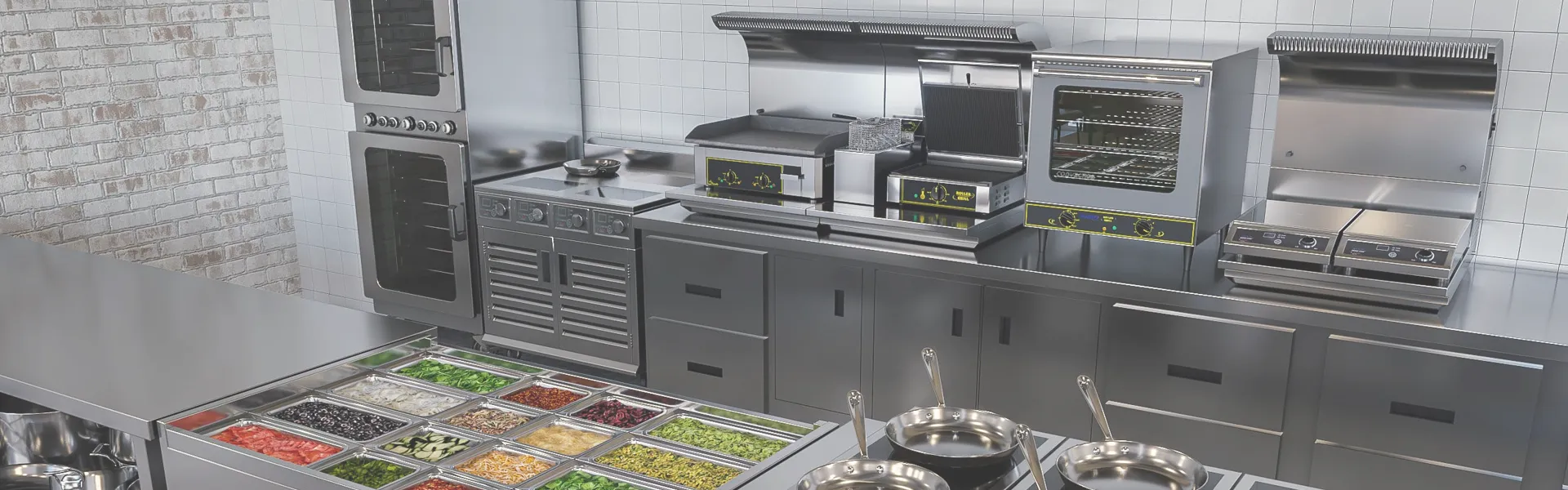
Article Summary: A Durable Dough Divider plays a critical role in modern bakeries by ensuring consistent dough portions, improving production efficiency, and reducing manual labor. This article explains how durable dough dividing equipment addresses common bakery challenges, outlines key technical parameters, and provides practical guidance for selecting the right solution for commercial baking operations.

Table of Contents
- Product Overview and Core Purpose
- Common Challenges in Dough Portioning
- Technical Parameters and Key Features
- Applications Across Bakery Operations
- Frequently Asked Questions
- Conclusion and Contact Us
Product Overview and Core Purpose
A Durable Dough Divider is designed to accurately divide bulk dough into uniform portions for bread, buns, rolls, and other baked goods. Consistency in weight and shape is essential for maintaining product quality, controlling costs, and meeting customer expectations. Manual dough cutting often leads to uneven portions, wasted material, and increased labor demands.
By integrating mechanical precision and robust construction, a durable dough divider delivers reliable portioning even under continuous, high-volume production. This type of equipment is widely used in commercial bakeries, food factories, and central kitchens where stability and repeatable results are required.
Common Challenges in Dough Portioning
Bakeries often face operational difficulties when dough portioning is performed manually or with low-quality equipment. These challenges directly affect efficiency, product consistency, and profitability.
- Inconsistent dough weights leading to uneven baking results
- High labor intensity and operator fatigue
- Increased material waste due to inaccurate cutting
- Equipment wear and breakdown under continuous operation
- Difficulty maintaining hygiene and cleaning standards
A durable dough divider addresses these pain points by offering stable operation, precise dividing mechanisms, and materials suitable for food-grade environments.
Technical Parameters and Key Features
The performance of a Durable Dough Divider depends on its mechanical design, materials, and adaptability to different dough types. The following table outlines typical parameters found in professional-grade machines.
| Parameter | Description |
|---|---|
| Dividing Capacity | Adjustable portion sizes suitable for various bread and pastry products |
| Construction Material | Food-grade stainless steel and high-strength alloys |
| Operation Mode | Manual, semi-automatic, or fully automatic configurations |
| Dough Compatibility | Handles soft, medium, and stiff dough with stable performance |
| Cleaning and Maintenance | Detachable components for easy cleaning and hygiene control |
| Durability | Designed for long-term, high-frequency industrial use |
Manufacturers such as SYBO focus on delivering machines that balance mechanical strength with operational flexibility, ensuring reliable performance in demanding production environments.
Applications Across Bakery Operations
A Durable Dough Divider is suitable for a wide range of bakery and food production scenarios. Its adaptability makes it a valuable asset for both small-scale bakeries and large industrial facilities.
- Commercial bread production lines
- Bun and roll manufacturing
- Pizza dough preparation
- Frozen dough processing
- Central kitchen operations supplying multiple outlets
By ensuring uniform portioning, bakeries can standardize baking times, improve visual consistency, and simplify downstream processes such as rounding and shaping.
Frequently Asked Questions
What makes a dough divider durable for long-term use?
A durable dough divider is built with reinforced frames, high-quality food-grade materials, and precision-engineered dividing mechanisms. These elements allow the machine to operate continuously without deformation or loss of accuracy.
Can a durable dough divider handle different dough types?
Yes, professional dough dividers are designed to process a wide range of dough consistencies, including high-hydration and dense doughs, while maintaining stable portion accuracy.
How does a dough divider improve cost control?
Accurate portioning reduces raw material waste and ensures each product meets weight specifications. Over time, this consistency contributes to better cost management and predictable production output.
Is maintenance complicated for industrial dough dividers?
Most durable dough dividers are designed with easy-to-clean surfaces and removable parts, simplifying daily cleaning and routine maintenance while meeting food safety standards.
Conclusion and Contact Us
A Durable Dough Divider is an essential piece of equipment for bakeries seeking consistency, efficiency, and long-term reliability. By addressing common production challenges, it supports stable output, reduces labor dependence, and enhances overall product quality.
SYBO provides professionally engineered dough dividing solutions tailored to modern bakery requirements. For detailed specifications, customization options, or purchasing support, contact us today to learn how a durable dough divider can optimize your production process.