
Why Are French Fries Called “French Fries”? How a Fry Cutter Changed the Way Fries Are Made
When people order a plate of golden French fries, few stop to think about one simple question:
Why are they called “French Fries”?
Although the name contains the word “French,” the true origin of French fries has always been debated. Whether the first fries came from France or Belgium, one thing is certain — becoming one of the world’s most popular foods requires more than just frying potatoes. A crucial step comes before cooking: cutting potatoes into uniform strips.
From early hand-cutting methods to today’s Manual French Fry Cutter, the evolution of cutting tools has helped improve the efficiency, consistency, and quality of French fry preparation.
Where Did the Name “French Fries” Come From?
The term “French fries” literally means “French fried potatoes,” but the exact reason behind the name is still debated.
In English, “French fries” developed from the earlier phrase “French fried potatoes,” which referred to potatoes prepared using a French-style frying method. As this food became more popular in the United States and other regions, the longer phrase gradually became shortened to the familiar term “French fries.”
However, the history of French fries is not limited to France.
Some historians believe that fried potato dishes appeared in French street food culture, especially in Paris. Meanwhile, Belgium also has a strong claim, with historical records suggesting that people there were already cutting potatoes into strips and frying them in the 19th century.
Regardless of where the name originated, French fries have become a global food enjoyed in different countries with various preparation methods and flavors.
Why Do French Fries Need to Be Cut Into Uniform Strips?
Many people think the taste of French fries mainly depends on frying temperature or seasoning. However, the cutting process also plays an important role.
A well-prepared French fry needs to achieve several qualities:
When potatoes are cut manually with a knife, it is difficult to maintain the same size for every strip.
This can lead to several problems:
For restaurants, fast food shops, and food businesses, consistent cutting results are an important part of maintaining product quality.
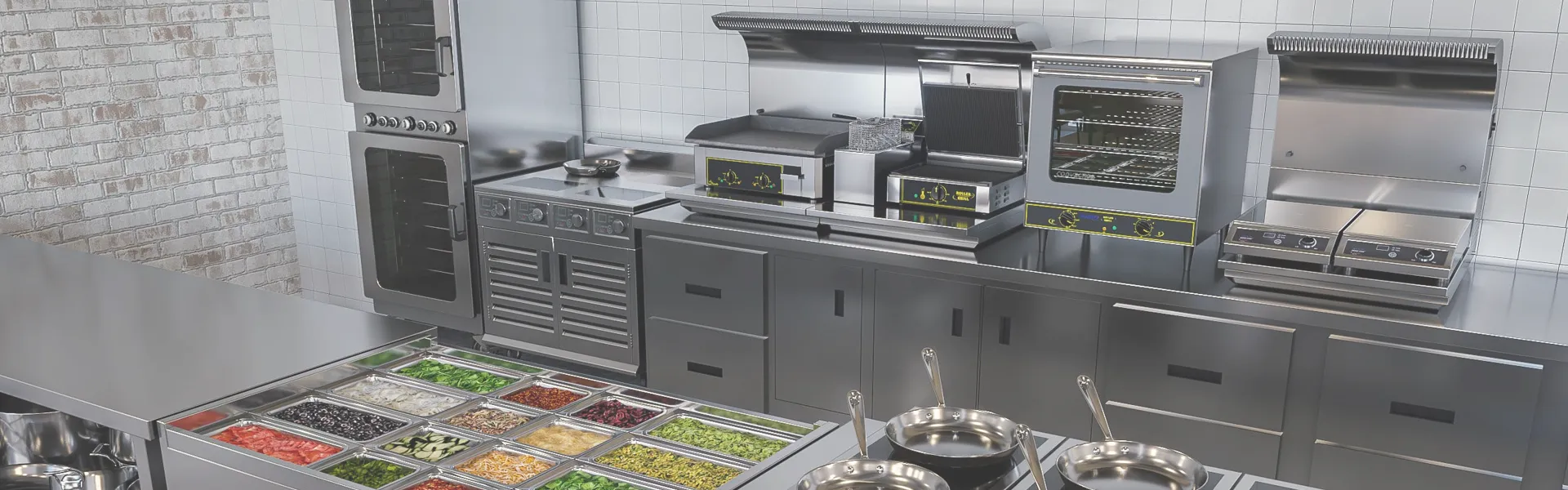
This is why potato cutting equipment has become an essential tool in many commercial kitchens.
From Hand-Cutting Potatoes to Manual French Fry Cutter
Traditionally, preparing French fries required workers to cut potatoes one by one with a knife. While this method is simple, it becomes challenging when businesses need to prepare large quantities every day.
Common problems include:
As the food service industry developed, mechanical potato cutting equipment became increasingly popular.
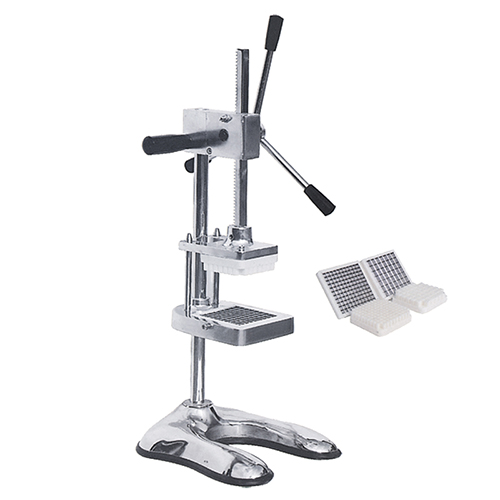
A Manual French Fry Cutter uses a simple mechanical structure to transform repetitive hand cutting into a faster pressing operation.
The process is straightforward: place a prepared potato into the cutting chamber, apply pressure through the handle, and the blade grid cuts the potato into evenly shaped strips.
Compared with traditional knife cutting, this method keeps operation simple while improving preparation efficiency and cutting consistency.
Why Are More Restaurants Choosing Manual French Fry Cutters Instead of Cutting Potatoes by Hand?
For many restaurants, freshly made French fries remain one of the most popular items on the menu. Customers expect fries to be crispy, evenly cooked, and consistent every time they order.
However, before potatoes become a plate of fries, there is one preparation step that directly affects the final result — cutting the potatoes.
Many small restaurants still rely on knives to prepare fresh-cut fries. This method may work for low-volume kitchens, but when orders increase, the limitations become obvious.
Manual cutting usually means:
For restaurants that need to prepare fresh fries regularly, a Manual French Fry Cutter provides a more practical way to improve daily preparation without adding complicated equipment.
Faster Preparation Before Busy Service Hours
In a commercial kitchen, preparation time can directly affect the speed of service.
During lunch and dinner rushes, kitchen staff need to handle multiple orders at the same time. If ingredient preparation takes too long, it can slow down the entire workflow.
Cutting potatoes manually requires repeated knife work and takes up valuable staff time. A Manual French Fry Cutter simplifies this process by allowing operators to place the potato into the cutting area and complete the cutting with a simple pressing action.
For small restaurants, fast food shops, cafes, and food trucks, this means more prepared ingredients can be ready before peak hours, helping the kitchen run more smoothly.
More Consistent Fries with Less Food Waste
For restaurant owners, consistency is one of the biggest challenges when preparing fresh-cut fries.
Even when using the same oil temperature and cooking time, fries with different thicknesses will produce different results. Thin strips may become overcooked quickly, while thicker pieces may need more time to cook properly.
A Manual French Fry Cutter uses a fixed blade grid to create more uniform potato strips. This helps restaurants achieve more consistent frying results from batch to batch.
For food businesses, consistent cutting can help with:
A Practical Choice for Small and Medium-Sized Food Businesses
Not every restaurant needs a large automatic potato processing system.
For businesses that prepare fresh fries every day but do not operate at industrial production volumes, a manual cutter is often a more suitable option.
It is commonly used in:
Compared with automated machines, a Manual French Fry Cutter has a simpler structure, is easy to operate, and does not require electricity.
For new food businesses or restaurants looking to improve kitchen efficiency, it offers a practical way to upgrade preparation processes while keeping equipment investment under control.