
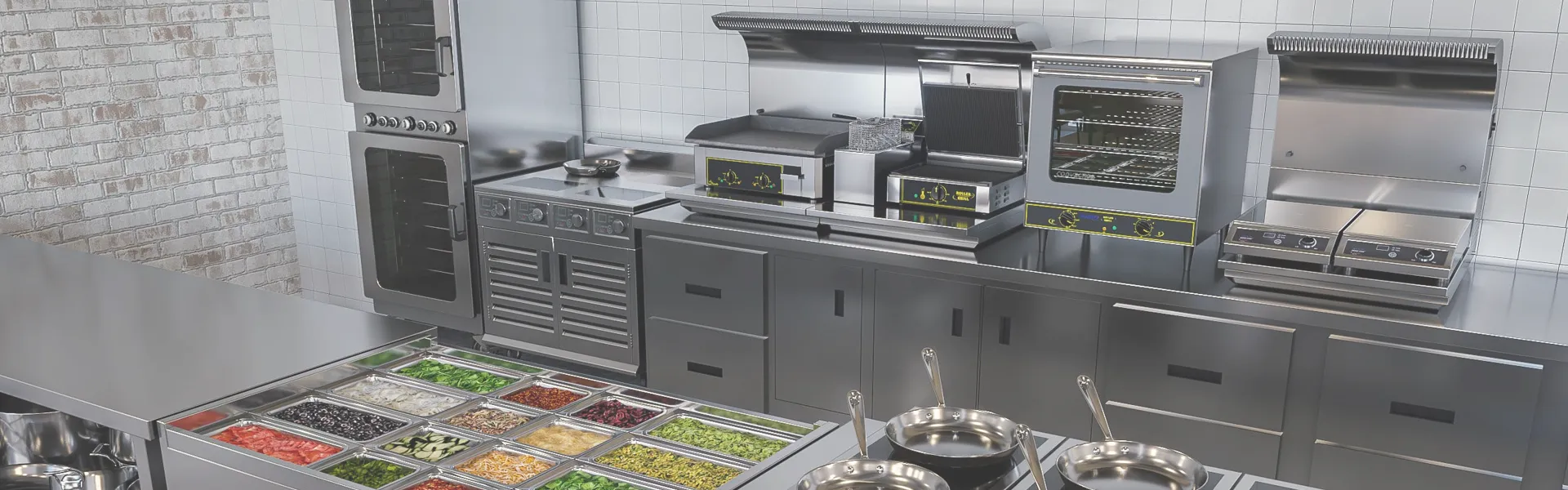
How to Choose the Right Commercial Food Chopper for Your Business?
In commercial kitchens, food preparation speed and consistency directly affect daily operations. Whether it is a restaurant, hotel, catering business, or food processing facility, preparing large quantities of ingredients manually can take significant time and labor. A Commercial Food Chopper provides an efficient solution by quickly chopping, mixing, and processing different types of ingredients while maintaining consistent results.
Compared with household food choppers, commercial models are designed for heavier workloads, longer operating times, and more demanding food preparation environments. Understanding their features and applications can help businesses choose the right equipment for their needs.
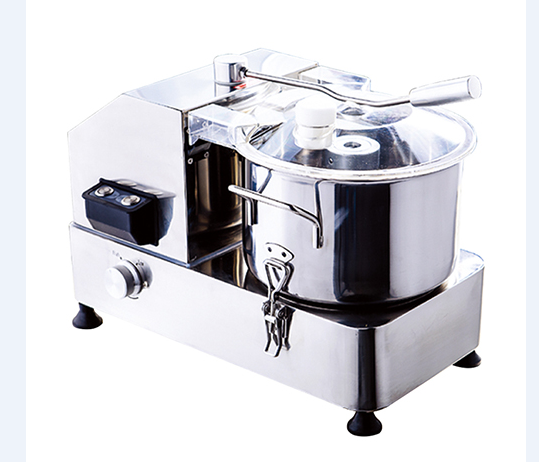
What Is a Commercial Food Chopper?
A Commercial Food Chopper is a professional food processing machine designed for restaurants, commercial kitchens, and food production environments. It uses a powerful motor, durable blades, and a larger processing chamber to handle high-volume ingredient preparation.
Unlike home-use choppers, commercial food choppers are built for:
Higher processing capacity
Longer working periods
More stable performance
Easier cleaning and maintenance
Consistent chopping results
For businesses that prepare large amounts of ingredients every day, a commercial food chopper can significantly improve kitchen efficiency and reduce manual labor.
What Ingredients Can a Commercial Food Chopper Process?
The versatility of a commercial food chopper makes it suitable for many food preparation tasks.
1. Vegetables and Fruits
Vegetables and fruits are among the most common ingredients processed by commercial food choppers, including:
Onions
Carrots
Potatoes
Garlic
Peppers
Fruits for desserts or drinks
Restaurants, salad shops, and catering companies often use these machines to speed up preparation while keeping ingredient sizes more consistent.
2. Meat Processing
Some heavy-duty commercial food choppers are designed for meat processing applications, such as:
Beef
Chicken
Pork
Fish
With strong motors and durable blades, these machines can chop meat into smaller pieces or create minced textures for products such as burgers, sausages, meatballs, and other prepared foods.
When processing meat regularly, users should select a model specifically designed for meat applications to ensure reliable performance.
3. Nuts, Herbs, and Other Ingredients
Commercial food choppers can also be used for processing:
Nuts
Herbs
Spices
Bread crumbs
Seasoning ingredients
Choosing the right blade configuration allows businesses to expand the machine’s application range.
Key Factors to Consider When Choosing a Commercial Food Chopper
Selecting the right commercial food chopper requires more than simply comparing prices. Businesses should consider their actual production requirements.
1. Motor Power
Motor power determines the machine’s processing ability.
A higher-power motor is usually better suited for:
Frequent daily use
Large ingredient volumes
Harder food materials
Continuous commercial operations
For restaurants or food factories with high production needs, choosing a machine with sufficient power helps maintain stable performance and reduces processing time.
2. Processing Capacity
The bowl or container capacity affects how much food can be processed in one operation.
Common capacity options include:
|
Capacity Type |
Suitable Applications |
|
Small Capacity |
Cafes, small restaurants, light food preparation |
|
Medium Capacity |
Restaurants, hotels, commercial kitchens |
|
Large Capacity |
Central kitchens and food processing facilities |
The best choice depends on daily production volume. A machine that is too small may increase operation time, while an oversized model may increase unnecessary costs.
3. Blade Material and Design
The blade is one of the most important components of a commercial food chopper.
High-quality blades usually provide:
Efficient cutting performance
Better wear resistance
Longer service life
Easier cleaning
Stainless steel blades are widely used in commercial food equipment because they offer good corrosion resistance and are suitable for food contact applications.
4. Safety Features
Since commercial food choppers are often used frequently, safety design is essential.
Common safety features include:
Safety lock systems
Overload protection
Non-slip feet
Protective covers
Emergency stop functions
These features help improve operational safety and make daily use more convenient.
Applications of Commercial Food Chopper
Commercial food choppers are widely used in various industries:
|
Industry |
Application |
|
Restaurants |
Daily ingredient preparation |
|
Hotels |
Large-scale kitchen operations |
|
Catering Companies |
Fast food preparation |
|
Central Kitchens |
Batch food production |
|
Food Factories |
Ingredient processing |
|
Cafes |
Fruit and vegetable preparation |
From small food businesses to large-scale production facilities, commercial food choppers provide flexible solutions for different processing requirements.
How to Maintain a Commercial Food Chopper?
Proper maintenance helps extend equipment service life and ensures food safety.
Clean After Every Use
After operation, users should:
Remove food residues from blades and containers
Wash food-contact parts properly
Keep the machine dry after cleaning
Regular cleaning prevents ingredient buildup and maintains hygienic conditions.
Check Components Regularly
Routine inspection should include:
Blade sharpness
Motor performance
Electrical connections
Safety switches
Sealing components
Early detection of problems can reduce downtime and improve equipment reliability.
Frequently Asked Questions About Commercial Food Chopper
Can a Commercial Food Chopper Replace Manual Cutting?
For large-volume food preparation, a commercial food chopper can greatly reduce manual cutting time. However, the final result depends on ingredient type, blade design, and machine settings.
What Is the Difference Between a Commercial and Household Food Chopper?
Commercial models are designed for heavier workloads, larger capacities, stronger motors, and longer operating times. Household models are mainly intended for occasional small-batch preparation.
Is Stainless Steel Suitable for Commercial Food Choppers?
Yes. Stainless steel is commonly used in commercial food equipment because it is durable, easy to clean, and resistant to corrosion.
A Commercial Food Chopper is an important tool for improving efficiency in modern food preparation environments. By reducing manual labor, increasing processing speed, and providing more consistent results, it helps restaurants, catering companies, and food manufacturers handle daily production demands more effectively.